069 202 7624
  011 463 9699


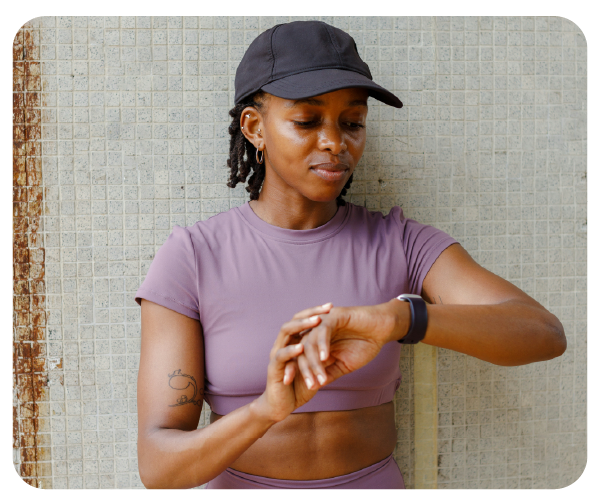
If you’ve ever worn a fitness tracker, you’ve almost certainly seen the 10,000 steps goal. It’s become the default benchmark for daily activity, a neat, round number that feels achievable and motivating. But where did it come from? Is there actual science behind it? And does it really matter if you hit it every day?
Where Did 10,000 Steps Come From?
The 10,000 steps target didn’t originate in a research lab. It traces back to 1965 Japan, when a company called Yamasa launched a pedometer called the Manpo-kei, which translates to “10,000 steps meter.” The name was chosen largely because the Japanese character for 10,000 (万) looks somewhat like a person walking, and the number had marketing appeal. It was a branding exercise, not a clinical recommendation.
That doesn’t mean it’s a bad target, but it does mean it’s worth understanding what the research actually says.
What Does the Research Say?
In recent years, several large-scale studies have examined the relationship between daily step count and health outcomes. The findings paint a more nuanced picture than a simple 10,000-step threshold.
A widely cited 2019 study published in JAMA Internal Medicine followed nearly 17,000 older women and found that mortality rates decreased significantly as daily steps increased from around 2,700 up to about 7,500 steps per day. Beyond 7,500, the additional benefit levelled off. A 2023 meta-analysis published in the European Journal of Preventive Cardiology, which pooled data from over 226,000 people, found that health benefits begin as low as 3,967 steps per day, with each additional 1,000 steps associated with a further reduction in all-cause mortality risk.
The takeaway from the current research is that more steps are generally better, the biggest health gains come from moving from a very sedentary baseline to a moderately active one, and 10,000 is a reasonable aspirational target but not a magic threshold.
Why the Exact Number Matters Less Than You Think
The fixation on 10,000 can actually be counterproductive for some people. If you’re currently averaging 3,000 steps a day, which is common for someone with a desk job and a car commute, then a target of 10,000 can feel unreachable. The result is that some people don’t bother trying at all.
A better approach is to think in terms of improvement rather than absolutes. If you’re at 3,000, aim for 5,000. If you’re at 5,000, push for 7,000. The research suggests that even modest increases in daily movement are associated with meaningful health benefits. You don’t need to hit 10,000 to make a difference.
Why Tracking Your Steps Still Matters
Even if the specific number is flexible, the act of tracking your movement has real value. Here’s why.
Awareness is the first benefit. Most people significantly overestimate how much they move during the day. Sitting at a desk for eight hours, driving to and from work, and spending the evening on the couch can easily result in fewer than 2,000 steps, even if it doesn’t feel that way. Seeing the actual number on your wrist creates an honest picture of your daily habits.
Accountability is the second. Once you start tracking, you naturally start adjusting. You take the stairs instead of the lift. You walk to a colleague’s desk instead of sending an email. You add a short walk after dinner. These small decisions compound over time and can meaningfully shift your daily average.
Trend data is the third. A single day’s step count doesn’t tell you much. But a weekly or monthly average reveals patterns. You might notice that you’re consistently less active on certain days, during certain seasons, or when work is particularly busy. This awareness allows you to make intentional adjustments rather than letting inactivity creep up gradually.
Steps Are a Proxy, Not the Full Picture
It’s worth noting that step count is a useful but incomplete measure of physical activity. It captures ambulatory movement, walking and running,but doesn’t account for activities like cycling, swimming, strength training, or Pilates, all of which contribute meaningfully to overall health.
If you’re someone who cycles to work, swims three times a week, or attends regular exercise classes, your step count may be lower than 10,000 on some days while your actual activity level is more than sufficient. Steps are one piece of the puzzle, not the whole picture.
Practical Tips for Increasing Your Daily Movement
If you’re looking to increase your daily step count, a few simple strategies can help. Set a realistic target based on your current average, not an arbitrary 10,000. Build short walks into your routine, after meals is a particularly effective time, as post-meal walking has been shown to support blood sugar regulation. Use reminders or alarms to stand and move every hour if you have a desk-based job. Walk during phone calls when possible. And if you have a longer commute, consider parking further away or getting off a stop early to add steps naturally.
The goal isn’t to obsess over the number. It’s to build a general awareness of how much you’re moving and to create habits that keep you consistently active throughout the day, not just during a single workout.
No, you don’t necessarily need 10,000 steps a day. But you do need to move more than most of us currently do. The research is clear that regular daily movement even at modest levels is associated with meaningful health benefits. Tracking your steps is one of the simplest, most accessible ways to stay aware of your habits and hold yourself accountable. Start where you are, increase gradually, and focus on consistency over any single number.
If you’re looking to build a more active lifestyle and want professional guidance on an exercise program tailored to your needs, our team of biokineticists at Pinnacle Health & Wellness in Bryanston can help. Contact us on 011 463 9699.