 069 202 7624
  011 463 9699


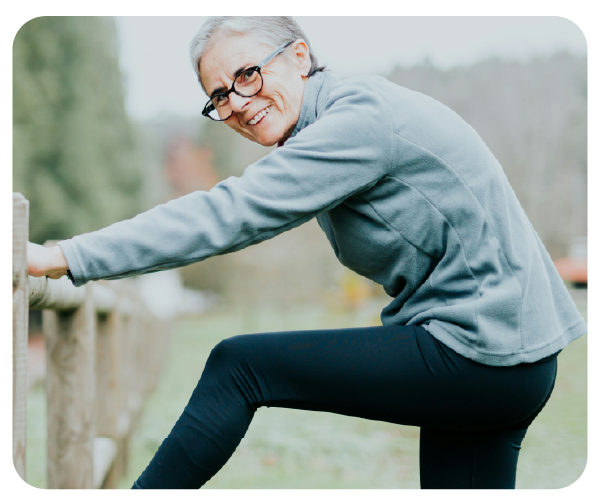
Getting older doesn’t mean slowing down has to be inevitable. But it does mean that the way you move, and how you maintain your body’s ability to move, becomes increasingly important. Pilates is one of the most accessible and effective forms of exercise for supporting mobility, strength, and independence as you age, and it doesn’t require you to be flexible or fit to start.
What Happens to Our Bodies as We Age?
From around the age of 30, the body begins a gradual process of change. Muscle mass naturally decreases, a process known as sarcopenia, at a rate of roughly 3–5% per decade if we’re not actively working to maintain it. Bone density declines, particularly in post-menopausal women. Joints stiffen, balance deteriorates, and the deep stabilising muscles that support our posture and spine can weaken.
None of this is a reason to stop moving. In fact, it’s the strongest argument for continuing. The body responds to the demands placed on it at any age. The key is choosing the right kind of movement.
Why Pilates Is Well Suited to Older Adults
Pilates was designed around principles of controlled, precise movement with an emphasis on alignment and breathing. Unlike high-impact exercise, it places minimal stress on joints while still challenging muscles in meaningful ways. This makes it particularly well suited to people who may have joint concerns, previous injuries, or conditions like arthritis or osteoporosis.
There are several specific ways Pilates supports the ageing body.
Core Strength and Spinal Support
The deep core muscles, the transverse abdominis, pelvic floor, and multifidus, are central to Pilates practice. These muscles act as a natural corset for the spine, providing stability and support during everyday movements like bending, lifting, and reaching. As these muscles weaken with age, lower back pain and poor posture often follow. Pilates targets these muscles directly and progressively.
Balance and Fall Prevention
Falls are one of the leading causes of serious injury in older adults. Pilates exercises frequently challenge balance in controlled, supported ways — standing on one leg, shifting weight, and performing movements that require coordination between upper and lower body. Over time, this improves proprioception (your body’s sense of where it is in space) and reduces the risk of losing balance in everyday situations.
Joint Mobility and Flexibility
Stiffness is one of the most common complaints as we get older. Pilates incorporates gentle, controlled stretching and full range-of-motion movements that help maintain flexibility in the spine, hips, shoulders, and ankles. Unlike aggressive stretching, Pilates movements are performed slowly and with control, which is safer for older joints and connective tissue.
Posture
Years of sitting at desks, driving, and looking at phones take a cumulative toll on posture. Rounded shoulders, a forward head position, and an increased curve in the upper back (kyphosis) are common in older adults. Pilates emphasises spinal alignment and strengthening the muscles that support upright posture, which can help counteract these patterns.
Mental Focus and Body Awareness
Pilates requires concentration. Each movement is performed with deliberate attention to form, breathing, and control. This mind-body connection is itself a form of cognitive engagement, and many people find that the focus required during a Pilates session provides a mental reset that benefits them beyond the studio.
Is Pilates Safe for Older Adults?
Generally, yes, but with the appropriate guidance. The key is working with an instructor who understands your body, your limitations, and any specific conditions you may have. This is where Pilates instructed by a healthcare professional, such as a biokineticist, can be particularly beneficial. They can modify exercises to accommodate joint replacements, osteoporosis, spinal conditions, or post-surgical recovery, ensuring the work is both safe and effective.
It’s also important to start at the right level. A beginner class or a private session is usually the best entry point, allowing the instructor to assess your movement and build a foundation before progressing.
One of the most common misconceptions about Pilates is that you need to be flexible or fit to begin. The opposite is true, Pilates is designed to build those qualities from wherever you are. Whether you’re 45 and noticing your first twinges of stiffness or 75 and wanting to maintain your independence, Pilates provides a structured, low-impact path to keep your body moving well.
Pinnacle Health & Wellness offers Pilates classes in Bryanston from beginner to advanced, including private equipment sessions and group mat classes. Our Pilates instructor is a qualified biokineticist who can tailor sessions to your specific needs. Contact us on 011 463 9699 or email kirstin@pinnaclehealth.co.za.
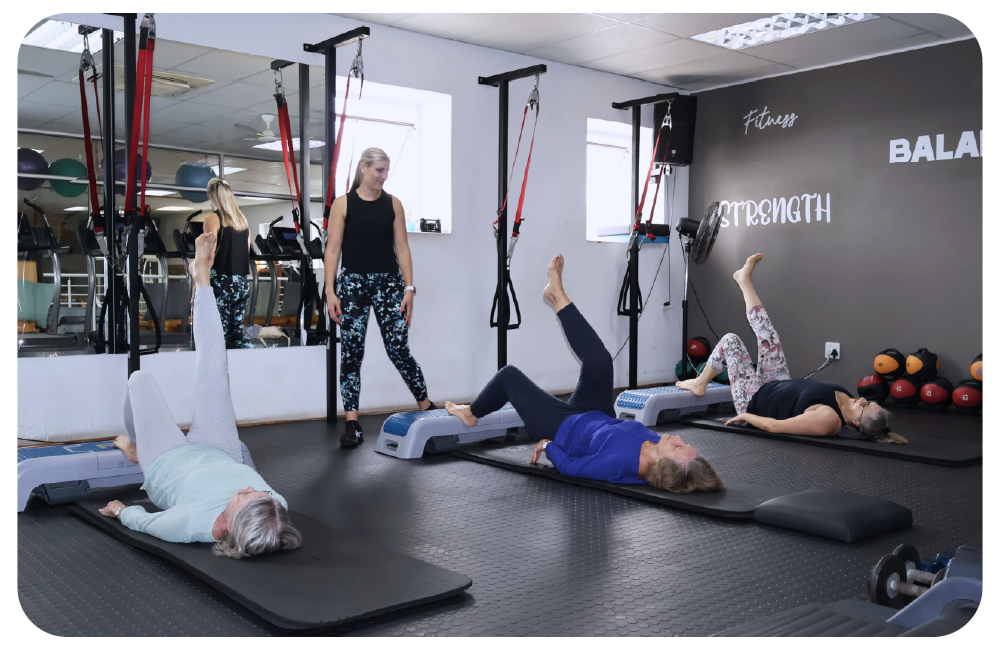
Pilates Group Classes
Daily Pilates classes led by Kirstin Piveteau at Pinnacle’s studio in Bryanston.